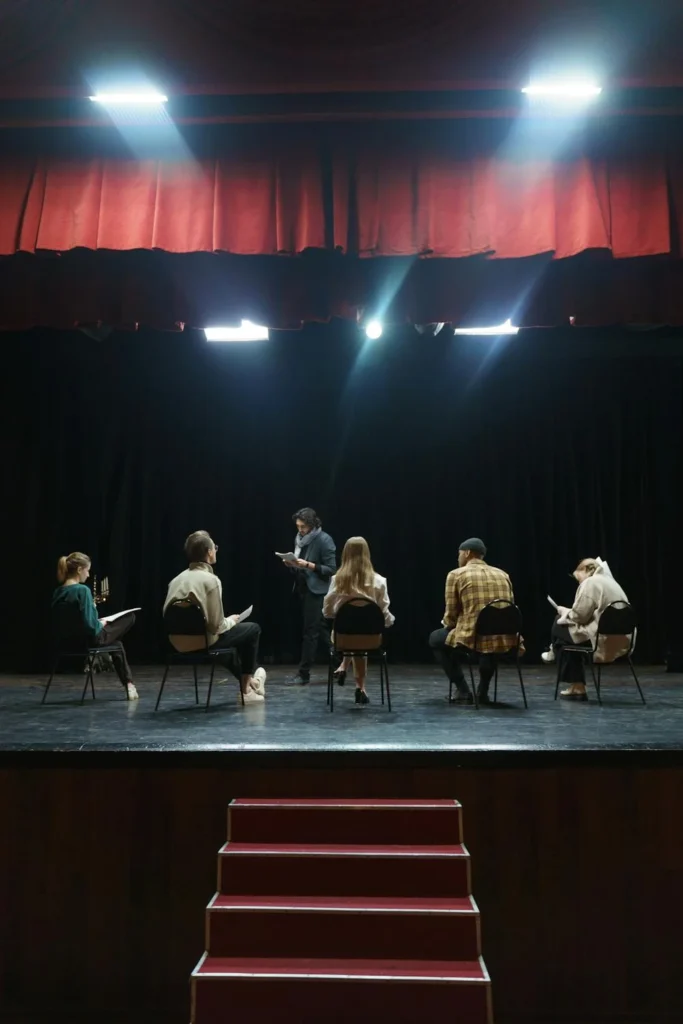
Theatre and casino gaming may exist in vastly different cultural spaces, but they are bound by deeper commonalities than most people realise. Both involve risk, anticipation, performance, and a sense of timing that can make or break the outcome. While actors follow a script and gamblers rely on odds, each operates within a system where preparation meets unpredictability. In the theatre world, the success of a show depends on a delicate balance of creativity, coordination, and courage—traits that also serve players well in high-stakes casino environments. This story on aussietheatre.com.au explores the behind-the-scenes realities of theatrical production, likening the process to a gamble of its own. Just as a casino player bets on the turn of a card, producers bet on casting, direction, and timing—often without knowing how it will all turn out until the curtain rises.
Rehearsed to Perfection vs. Mastering the Odds
In the world of theatre, perfection is pursued through repetition. Actors rehearse every gesture, line, and pause until the performance feels seamless. This approach to preparation offers an insightful lesson for casino players: while chance plays a major role in many games, skill and preparation are just as critical—especially in strategic games like poker or blackjack. Knowing when to bet, when to fold, and how to read your environment is no less rehearsed than an actor learning to read the energy of a live audience. The illusion of spontaneity on stage is, more often than not, the result of tireless groundwork—something every serious casino player should appreciate.
Unpredictable Moments: The Shared Thrill of Uncertainty
Despite all the planning, live theatre remains unpredictable. Props fail, lines are forgotten, and unexpected audience reactions can shift the mood of a performance. Similarly, no amount of strategy can completely shield a player from the randomness of the roulette wheel or a bad beat at the poker table. This shared embrace of uncertainty is part of what makes both experiences so compelling. Success often hinges not on avoiding risk but on adapting to it with composure and clarity.
Performance, Persona, and Reading the Room
The best casino players, like the best actors, understand the power of performance. In live card games, bluffing is as much a theatrical skill as it is a gaming tactic. A poker face is a mask, and reading opponents is a kind of audience analysis. Theatre teaches the value of timing, tone, and subtlety—tools that translate surprisingly well to the felt. Whether on stage or at the table, being able to influence perception can shift the balance in your favour.

Community and Collaboration: Lessons Beyond the Spotlight
No theatrical production succeeds without collaboration. From lighting designers to stage managers, success depends on seamless teamwork. In casino circles, collaboration may take the form of community learning—strategy forums, mentorship, or group discussions. Players grow by sharing insights, much like theatre professionals refine their craft through feedback and ensemble dynamics. Even in solitary games, the wisdom of the wider community plays a powerful supporting role.
Conclusion: Where Art and Risk Intersect
While the settings may differ, the worlds of theatre and casinos share an underlying rhythm: preparation, performance, and unpredictability. Theatre reminds us that every moment, even the rehearsed ones, can carry real consequences. For casino players, embracing that mindset—recognising the artistry behind decisions, the storytelling in every hand, and the value of preparation—can make the difference between passive play and a truly engaging experience. Whether you’re centre stage or centre table, the spotlight is yours to own.